Super-Resolution Microscopy: Seeing the Invisible
My summer research fellowship at RGIPT where I developed a Python pipeline for single-molecule fluorescent microscopy and authored an SOP for pTIRF.
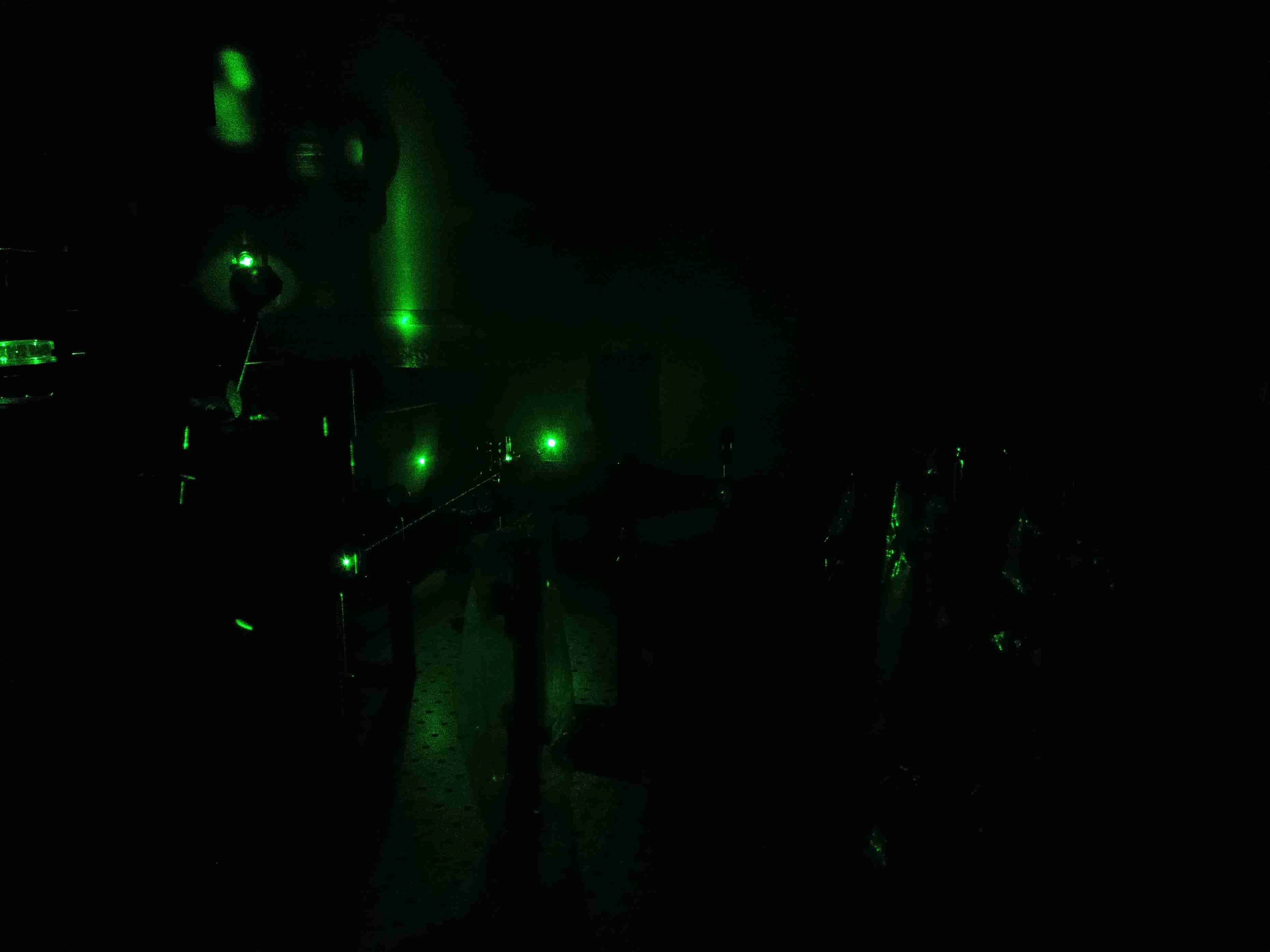
When I arrived at the RGIPT laboratory in Jais, UP, the prism-type Total Internal Reflection Fluorescence (pTIRF) microscope was already operational — but the data analysis workflow was largely manual. My goal under Dr. Debashis Panda was to build a systematic, automated pipeline.
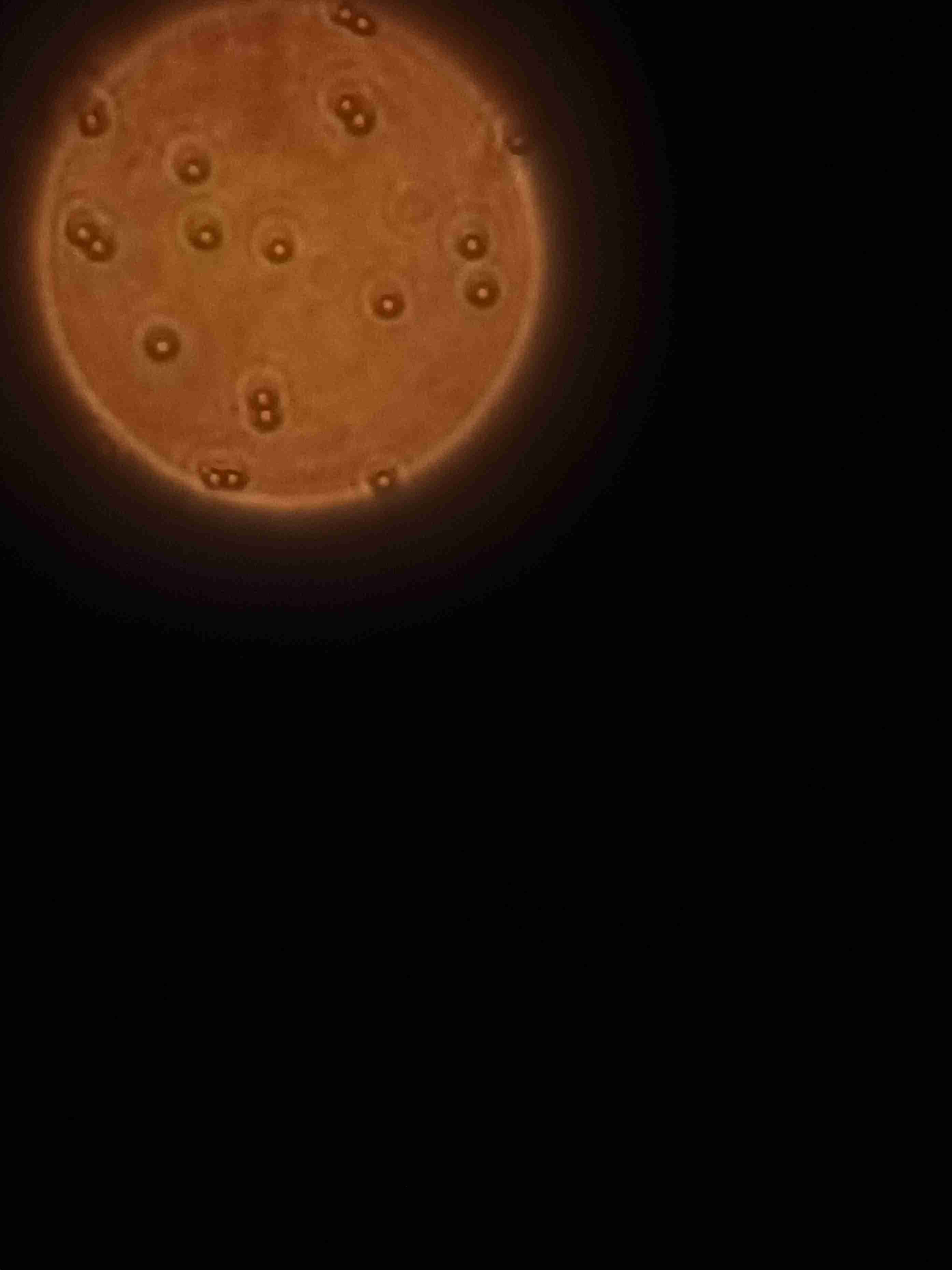
Single-molecule localization microscopy (SMLM) works by exploiting the stochastic blinking of fluorescent molecules to reconstruct images with resolution far beyond the diffraction limit. This requires fitting each detected molecule to a 2D Gaussian function, subtracting background noise, and critically — correcting for sample drift over time.
The Python pipeline I developed handled all three stages: Gaussian fitting for precise localisation, multi-stage drift correction using cross-correlation, and final super-resolved image reconstruction. I also wrote a comprehensive standard operating procedure for the microscope, ensuring reproducible experimental conditions for future researchers.
This fellowship, awarded by the Indian Academy of Sciences (IASc-INSA-NASI), was one of the defining experiences of my graduate career.
Gallery